


Blogs
At a time when Africa’s health systems are under increasing strain, a critical debate is unfolding: should governments accept external aid with conditions, or reject it in pursuit of sovereignty and independence?
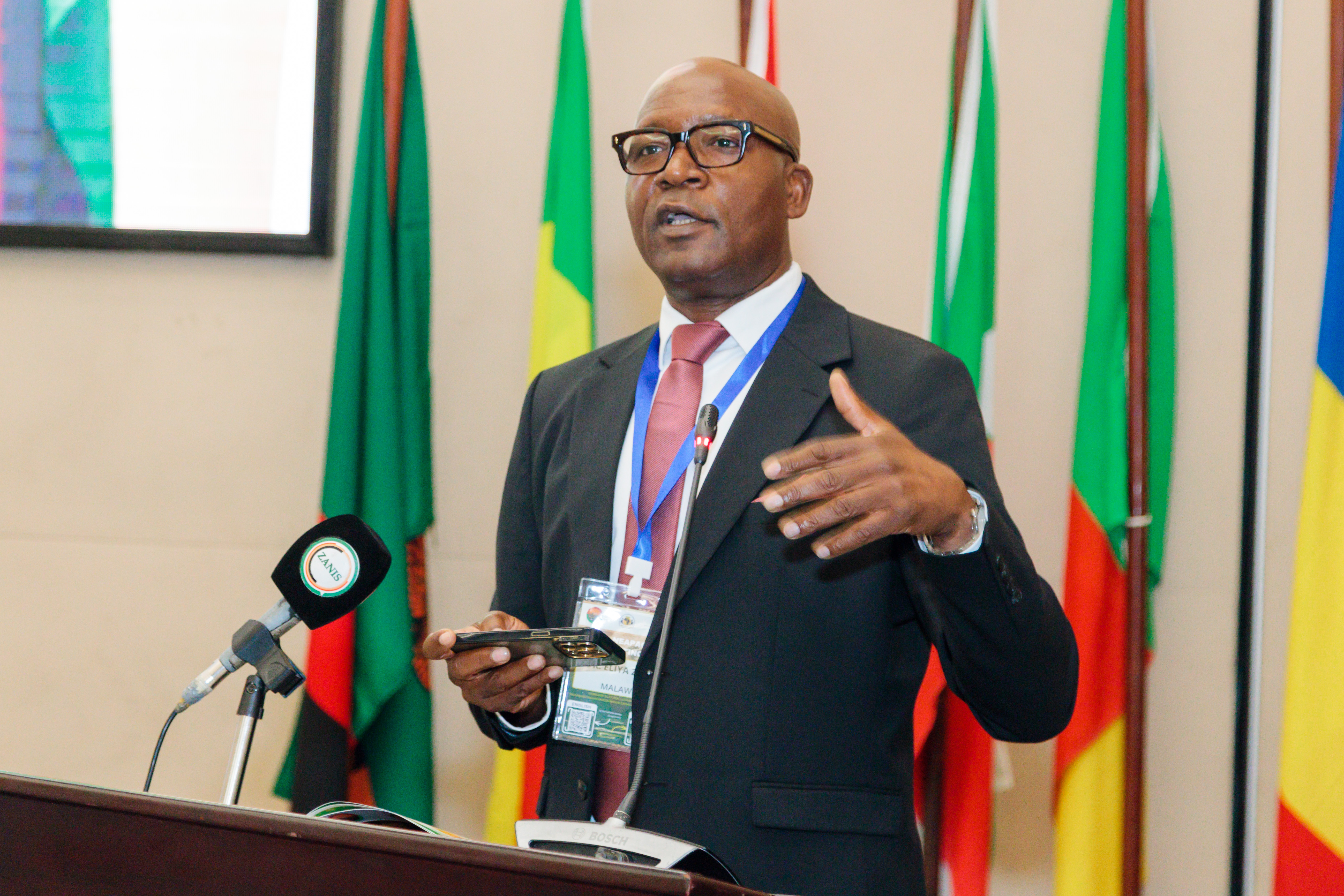
Speaking at the close of the Network for African Parliamentary Committees of Health (NEAPACOH) meeting in Lusaka, Zambia, Dr Eliya Zulu delivered a message that cuts through ideology and speaks directly to reality: “Don’t reject aid without alternative funding.” This is not a defense of dependency, but rather a call for strategic pragmatism grounded in the realities facing millions across the continent.
Across Africa, essential health services—from HIV and TB treatment to maternal and child health—remain heavily reliant on foreign financing. Despite long-standing commitments to strengthen domestic health systems, many governments have yet to close the funding gaps required to sustain these services independently. Recent donor cuts have further exposed the fragility of these systems, revealing just how vulnerable they remain. In this context, rejecting external funding is not simply a policy stance; it becomes a decision with potentially life-threatening consequences. Without viable alternatives in place, such actions risk disrupting critical services that millions depend on daily.
At the same time, growing concerns around data sovereignty, accountability, and donor influence in shaping national priorities are both valid and necessary. African governments are right to assert greater control over their development agendas and to question the terms under which external funding is provided. However, as Dr Zulu cautions, this should not become a false choice between protecting national interests and safeguarding lives. The challenge is not to choose one over the other, but to pursue both deliberately and strategically.
Encouragingly, shifts in global aid frameworks are beginning to offer new opportunities. Unlike earlier models where funding—such as that administered through USAID—often operated outside government systems, emerging approaches provide governments with greater authority over how resources are planned and implemented. They also require increased domestic co-financing, effectively pushing governments to take on more responsibility for their health sectors. This shift has the potential to strengthen national ownership, but only if governments rise to meet these new expectations.
Yet, this moment also brings into sharp focus an unfinished promise. More than two decades after the Abuja Declaration, in which African governments committed to allocating 15 percent of national budgets to health, most countries have still not met this target. This reality raises difficult but necessary questions about the readiness of governments to forgo external support when domestic commitments remain unfulfilled. While the push for increased domestic resource mobilisation is both urgent and essential, it is not something that can be achieved overnight.
Dr Zulu also warns against the dangers of political positioning overshadowing public health priorities. Decisions to reject aid for symbolic or political reasons, without clear and adequately funded transition plans, risk interrupting treatment, weakening health systems, and placing an even greater burden on vulnerable populations. In such scenarios, it is ordinary citizens—not policymakers—who bear the consequences.
What emerges from Dr Zulu’s perspective is a call for balance. Governments must negotiate assertively, ensuring that aid agreements protect national interests and deliver maximum value. At the same time, parliamentary health committees have a crucial role to play in strengthening oversight by demanding transparency, scrutinising agreements, and ensuring alignment with national development priorities. Alongside this, there must be a deliberate and sustained effort to increase domestic investment in health, drawing not only on public resources but also on private sector engagement and innovative financing approaches. Crucially, any transition away from aid dependence must be carefully planned, adequately resourced, and implemented in a way that does not compromise service delivery.
Underlying all of this is a simple but often overlooked truth: there is no such thing as a free lunch. All foreign aid comes with conditions and competing interests. However, rejecting aid does not eliminate these dynamics; it only removes the resources that currently sustain vital services. The real challenge, therefore, lies in understanding these trade-offs and managing them strategically while building a pathway toward long-term independence.
Ultimately, Africa’s development future must be self-financed and self-directed. But achieving this vision requires realism, not rhetoric. In the immediate term, governments must work with available resources, negotiate better terms, and ensure that citizens continue to access essential healthcare. Over the longer term, they must close funding gaps, fulfil domestic commitments, and build resilient systems capable of sustaining themselves.
Because in the end, the goal is not simply sovereignty—it is the ability to save lives today while securing a healthier, more independent future for tomorrow.