


Blogs
As Malawi works towards ending tuberculosis (TB) by 2030, one reality is becoming increasingly clear: the fight against TB cannot succeed without addressing the disproportionate burden among men.
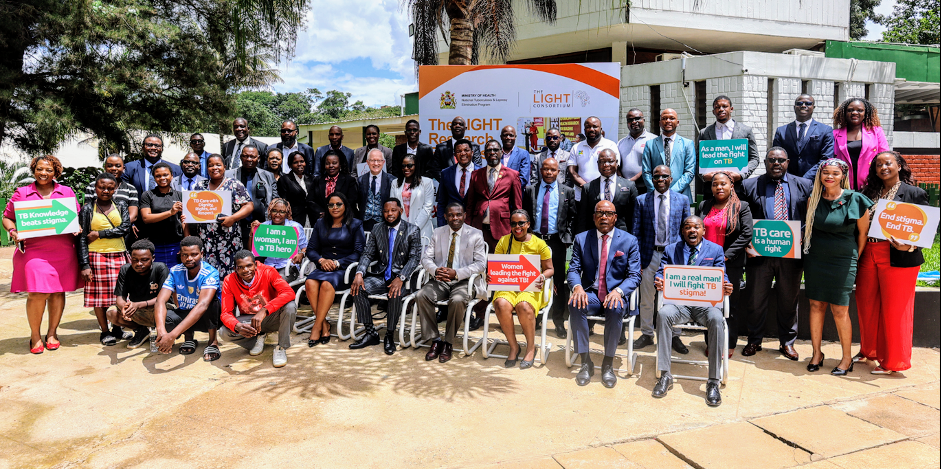
At the Leaving No-One Behind: Transforming Gendered Pathways to Health for TB (LIGHT) final dissemination forum in Malawi, co-hosted by African Institute for Development Policy and Malawi Liverpool Wellcome Programme (MLW) in collaboration with the National Leprosy and Tuberculosis Elimination Programme (NTLEP), policymakers, researchers, and health practitioners gathered to reflect on six years of evidence generation and, more importantly, to define the path forward. The message was consistent across all speakers: evidence must drive action.
Opening the forum, Dr Eliya Zulu, Executive Director of AFIDEP, highlighted a critical disconnect in Malawi’s TB response. While men carry a significantly higher burden of TB, interventions have not been sufficiently tailored to reach them. He emphasised the need to rethink strategies, moving beyond facility-based approaches to meeting men where they are, including workplaces and community spaces, while strengthening awareness and improving health-seeking behaviour. This shift is not just strategic; it is necessary. Without targeted interventions, a large proportion of TB cases will continue to go undetected or untreated.
Providing deeper insight, Dr Augustine Choko from MLW presented compelling evidence that reinforces this gap. As he noted, data tells a clear story: more women are being tested, yet TB is disproportionately affecting men. This disparity demands urgent and deliberate action. While screening efforts reach more women, two-thirds of confirmed TB cases are among men, a pattern that reflects underlying social, behavioral, and systemic barriers. He emphasised that this is not merely a statistical observation but a call for a more intentional, targeted, and data-driven response. Strong data systems are essential, as what is not measured cannot be managed. Data disaggregation is critical in identifying gaps and tailoring interventions appropriately, while innovation in diagnostics and data systems will determine whether patients receive timely care or face dangerous delays. Ultimately, the future of TB treatment lies in precision—understanding who is most at risk, where they are, and how best to reach them.
Expanding the conversation beyond healthcare systems, Dr Dan Namarika emphasised that TB is not just a health issue but a reflection of the nation’s socio-economic realities. Ignoring health undermines the very foundation of the economy and the country’s future. TB is both a cause and a consequence of poverty, affecting productivity, straining households, and reinforcing cycles of vulnerability. The disproportionate burden among men is not incidental but indicative of deeper structural and societal challenges that require adaptive and responsive health systems.
Hon. Anthony Masamba, Chairperson of the Parliamentary Committee on Health, reaffirmed Parliament’s commitment to evidence-based policymaking. He emphasised that evidence provides Parliament with the authority to act, and without it, advocacy lacks both credibility and impact. Parliament’s role goes beyond listening; there is a firm commitment to translating evidence into actionable policies that strengthen healthcare delivery. Findings from the LIGHT project will directly inform policy discussions and legislative processes aimed at improving TB response and overall health outcomes in Malawi.
The LIGHT project has done more than generate data; it has demonstrated the power of partnership, co-creation, and evidence-informed decision-making. It has been shown that gender-responsive approaches are not optional but central to achieving meaningful impact in TB treatment and care. As the program comes to a close, stakeholders emphasised that this moment should not mark an end, but rather a transition from research to implementation.
Aligned with the World TB Day theme, “Led by countries, powered by governments,” the forum underscored the need for a more inclusive, data-driven, and sustainable approach to TB programming. This includes developing policies that respond to the specific needs of men, women, and young people, strengthening health information systems to better track disparities, and expanding community-based services to reach populations where they are. It also calls for stronger domestic resource mobilisation to reduce reliance on external funding, raising awareness of gender disparities in TB, and fostering long-term partnerships across government, research institutions, and civil society organisations. Together, these efforts provide a clear pathway toward a more responsive and effective TB response.
Malawi stands at a critical juncture. The evidence is clear, the partnerships are strong, and the commitment is growing. What remains is action. If the country can translate these insights into targeted, data-driven, and sustainable interventions, then ending TB by 2030 is not just an aspiration; it is within reach. Success will depend on one fundamental shift: moving from understanding the problem to decisively acting on it.