


Blogs
Non-Communicable diseases (NCDs) such as diabetes, cardiovascular diseases, cancer and chronic respiratory illnesses account for 37% of all deaths in Africa. Yet public financing for NCD prevention and care remains critically low, forcing millions of households to bear treatment costs through out-of-pocket payments. As countries grapple with rising NCD burdens and shrinking fiscal space, the biggest question has been how to sustainably finance and scale community-based interventions through national health systems.
Recognising that sustainable financing is critical to scaling community-based NCDs care, the Financing Accelerator Network for NCDs (FAN) in Sub-Saharan Africa, hosted by African Institute for Development Policy (AFIDEP), has spent the past year generating evidence and fostering regional collaboration. Through its landscape analysis, webinars, cross-country workshops and policy dialogues, FAN has brought together policymakers, researchers and health financing experts to identify and promote practical solutions that can strengthen health financing for NCDs across the region.
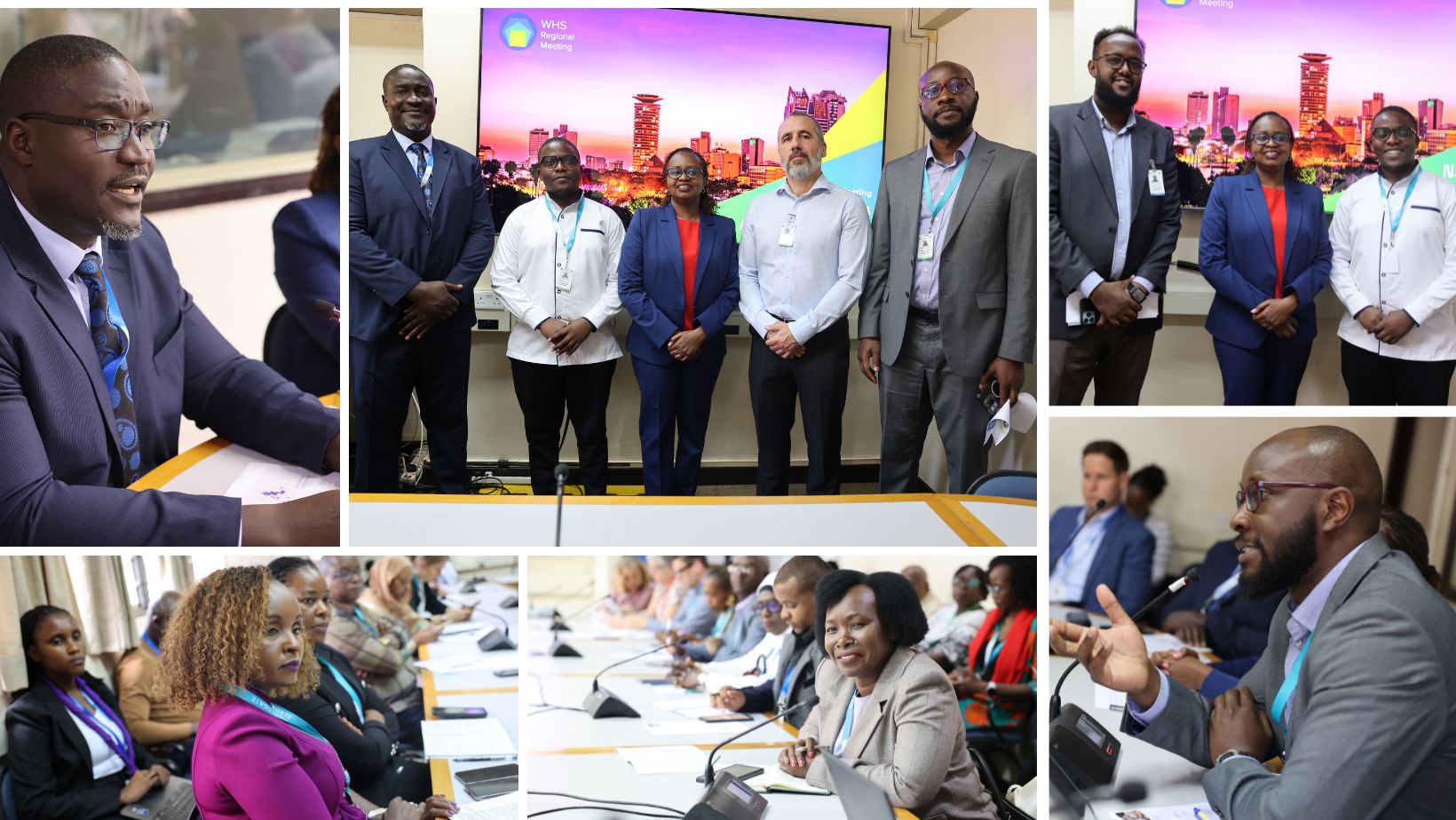
These priorities were reinforced during a side event at the 2026 World Health Summit Regional Meeting held in Nairobi titled From Community-Based Interventions to Policy Change: Decentralising NCDs Care for Sustainable Impact, organised by Sanofi. The session featured speakers including Dr Gladwell Gathecha from Kenya’s Ministry of Health, Elias Sebutare of Health Builders, Rwanda, Valerio Parisi from Touch Health, and Dr Jackson Otieno from AFIDEP.
A key message from the discussions was that Africa does not lack innovative community-based NCD interventions. The challenge is ensuring they move beyond donor-funded pilot projects into sustainably financed national programmes.
Kenya showcased how reforms under its Primary Health Care Act and Universal Health Coverage (UHC) agenda have empowered Community Health Promoters (CHPs) to conduct hypertension and diabetes screening, provide health education and strengthen referrals. The government has equipped more than 107,000 CHPs with blood pressure and blood glucose machines, while pilot programmes have shown that community-based hypertension screening costs nearly half as much as facility-based screening.
Similarly, Rwanda shared lessons from its door-to-door NCD screening initiative, where community health workers supported by digital tools achieved screening coverage nearly three times higher than conventional outreach while identifying over 10,000 previously undiagnosed hypertension and diabetes cases in one district.
These experiences reflect findings from FAN’s regional Landscape Analysis, which found that while many countries have adopted supportive policies and promising community-based interventions, financing remains concentrated on hospital-based treatment rather than prevention, early diagnosis, and primary healthcare. The report also identifies inadequate domestic financing, fragmented referral systems and weak use of evidence in financing decisions as key barriers to scaling successful interventions.
Financing was a dominant theme throughout the discussions during the meeting. Dr Jackson Otieno emphasised that governments must increasingly view NCDs as both a health and an economic issue, noting that investing in prevention and early detection reduces long-term treatment costs while protecting productivity and household incomes.
This message echoes discussions from FAN’s regional webinar series, where stakeholders have consistently highlighted the need to strengthen domestic resource mobilisation, improve strategic purchasing, expand financial protection, and use evidence to guide financing decisions. The webinars have also emphasised the value of peer learning, enabling countries to exchange practical experiences on integrating NCD services into primary healthcare and adapting successful financing approaches to their own contexts.
Speakers also highlighted digital innovation as an opportunity to accelerate progress. Kenya highlighted its Electronic Community Health Information System (eCHIS), while Tanzania stressed the importance of using community-level data to improve local decision-making. These discussions reinforced another key lesson from FAN’s learning agenda; stronger health information systems and locally generated evidence are essential for informing policy and investment decisions.
Beyond generating evidence and facilitating regional learning, FAN is supporting member countries in Sub-Saharan Africa to translate these insights into action through technical assistance, policy engagement, knowledge exchange, and catalytic seed funding. In Somalia, this support is helping to build the country’s first regional NCD registry. The registry will strengthen the evidence base for investment cases, support budget advocacy, and facilitate the integration of NCDs into universal health coverage (UHC) and national budget frameworks. Over time, this work will contribute to a more interoperable and responsive national health information system, offering a model for other fragile settings aiming to transform data into actionable evidence and sustainable financing solutions.
By helping governments identify financing bottlenecks, strengthen evidence-informed policymaking and explore innovative financing solutions, FAN is supporting SSA countries to build more resilient and sustainable health financing systems for NCDs.
The conversations in Nairobi reaffirmed that Africa already has many of the solutions needed to tackle NCDs. The priority now is to sustainably finance and scale these innovations. Through its evidence generation, regional learning platforms and country support, FAN is helping countries move from promising pilots to stronger, more resilient health systems capable of accelerating progress towards UHC.
This article was originally published by the Financing Accelerator Network (FAN) for Noncommunicable Diseases (NCDs): https://shorturl.at/wEMUN