


News
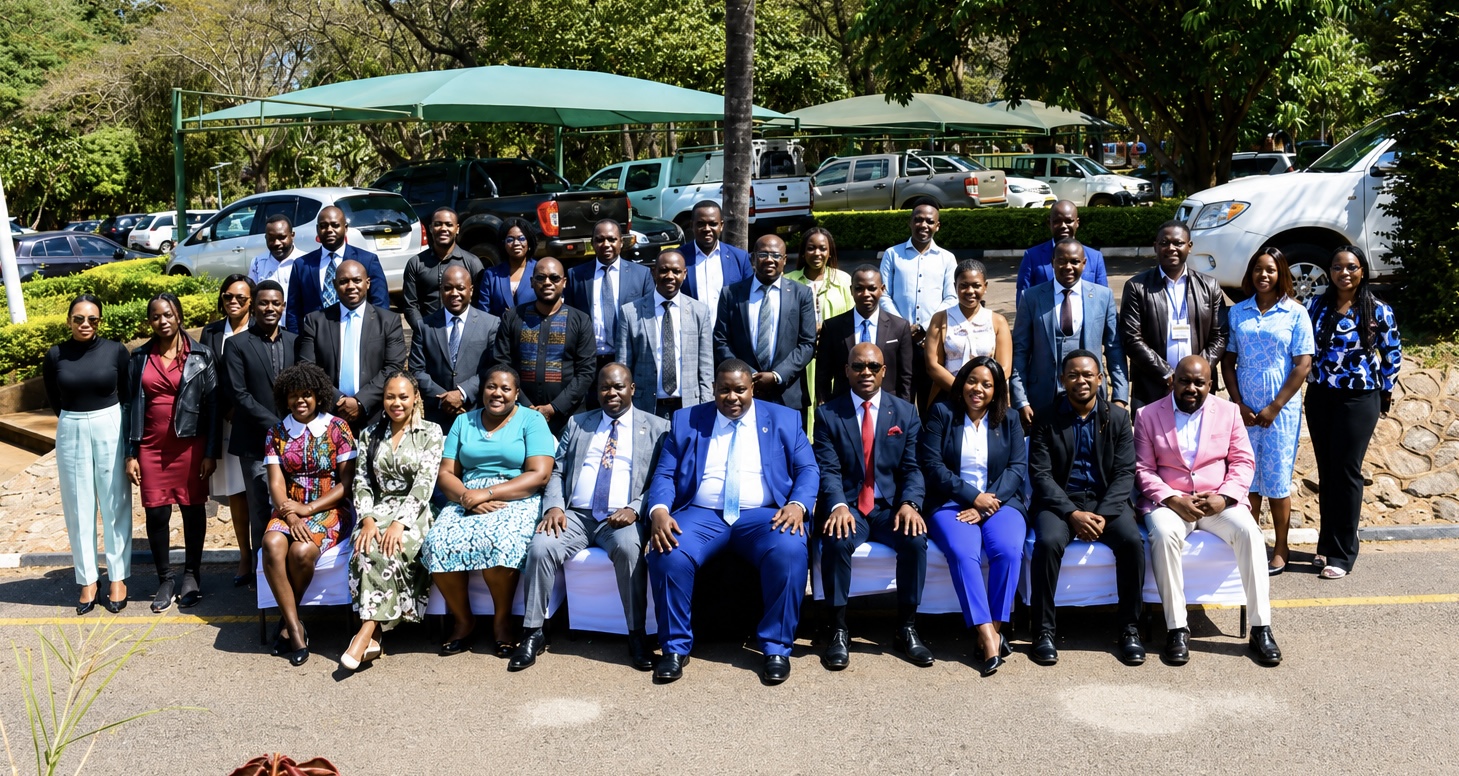
AFIDEP and the Parliamentary Monitoring Group (PMG), through the Open House Project, convened Members of Parliament, parliamentary officials, civil society organisations, researchers, development partners and governance practitioners in Lilongwe on 29 July 2026, to discuss practical ways of strengthening parliamentary openness and citizen participation. The convening was held under the theme: “The Role of Open Parliaments in Bridging the Gap Between the Malawian Legislature and Citizens.” Malawi is the first country to host the national convening under this regional initiative.
Officially opening the meeting, First Deputy Speaker of Parliament Hon. Victor Hetherwick Musowa, MP, described parliamentary openness as a necessity in democracy. “Public trust in Parliament is strengthened when legislative processes are transparent, parliamentary information is readily accessible, and citizens have genuine opportunities to contribute to decision-making.”
He highlighted initiatives undertaken by the Parliament of Malawi to enhance citizen engagements, including live broadcasts of parliamentary proceedings on radio and TV, public hearings, Parliament Week, Open Chamber Sittings, taking parliament to the people, social media publicity, and increased use of digital platforms. He also acknowledged that achieving a fully open Parliament requires continued institutional commitment and innovation and strong partnership with civil society organizations and development partners.
In his opening remarks, AFIDEP’s Executive Director, Dr Eliya Msiyaphazi Zulu emphasised that citizens must understand how Parliament’s operates and how its decisions affect national development and their everyday lives. “We cannot have a development agenda in which the citizens whose lives are supposed to be transformed do not know what decisions are being made, how resources are being allocated or whether those resources are producing results.”
Dr Zulu stressed that citizens should be able to access information on national and sector budgets, Constituency Development Fund allocations, parliamentary debates, voting records, committee reports and the scrutiny of public expenditure. He also underscored that there is a danger that parliament would become a mere “talk show platform” if the increasing transparency through public hearings is not backed by clear accountability mechanisms to ensure those responsible for abusing public resources and betraying public trust are punished accordingly.
Drawing on findings from AFIDEP’s Africa Integrity Indicators, Dr Zulu noted that Malawi has scored 50 out of 100 on citizens’ access to legislative processes and documents, demonstrating that more needs to be done to ensure that every Malawian has equal access to parliamentary information.
Speaking on behalf of the Open House Project and the Parliamentary Monitoring Group, Ms Motlatsi Komote noted that the convening offers stakeholders an opportunity to learn from experiences across the SADC region and work towards establishing a national network to strengthen parliamentary openness, transparency and accountability in a way that reflects Malawi’s context and priorities.
The discussions are exploring how technology, stronger institutional systems and collaboration among Parliament, civil society and other stakeholders can make parliamentary information more accessible, timely and understandable.