


News
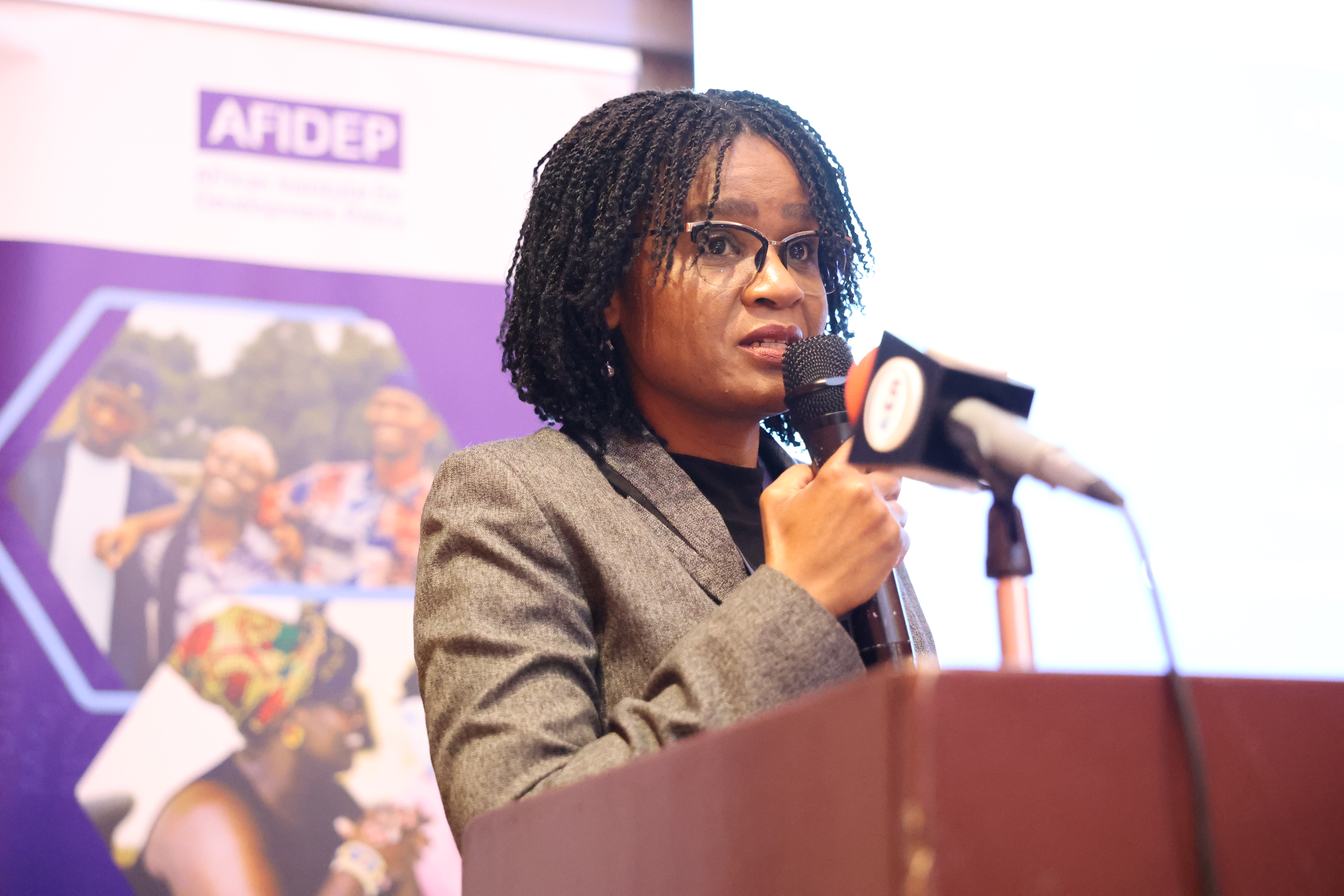
Nairobi, Kenya – 18th June 2026: Kenya can significantly expand dignified and fulfilling employment opportunities for its young people by strengthening policy implementation, investing in job-creating sectors, improving skills development systems, and enhancing coordination across government institutions, according to a new study on youth employment in Kenya.
The study, Political Economy Analysis of Youth Employment in Kenya, conducted by the African Institute for Development Policy (AFIDEP) in partnership with CAP-YEI (Youth Empowerment Institute), provides a comprehensive analysis of the structural, institutional, and political factors shaping youth employment outcomes in Kenya and identifies actionable pathways for reform.
The study drew on a mixed-methods approach combining a review of national policy and labour market data, key informant interviews with policymakers and development partners, and consultations with young people and private sector actors across key sectors of the economy. The analysis also mapped institutional arrangements and programme delivery systems to identify coordination gaps and implementation bottlenecks affecting youth employment interventions.
The findings come at a critical moment for Kenya, where nearly one million young people enter the labour market each year. While Kenya has made substantial investments in youth development policies, skills programmes, entrepreneurship initiatives, and digital innovation, the study finds that greater impact depends on stronger implementation, coordination, and alignment with labour market needs.
“The evidence shows that Kenya does not lack policies and programmes aimed at supporting youth employment. The priority now is ensuring that existing commitments are implemented effectively, coordinated across institutions, and aligned with opportunities available in the economy,” the report states.
Among the study’s key recommendations is the establishment of a high-level national coordination mechanism to bring together government, private sector, development partners, and youth representatives to drive a unified employment agenda. The report notes that fragmented implementation undermines progress and that stronger coordination would improve efficiency, reduce duplication, and enhance accountability.
The study highlights persistent gaps between education, skills development, and labour market demand, recommending expansion of apprenticeships, internships, work-based learning, and stronger employer-training institution partnerships. It also calls for a national skills forecasting system to guide training investments.
According to the report, “young people require pathways that connect education, skills development, enterprise support, and labour market opportunities if employment interventions are to achieve sustainable results.”
Key sectors identified as having high employment potential include agriculture, manufacturing, construction, agribusiness, digital services, the blue economy and the leather value chain. The study says targeted investment in infrastructure, value addition and enterprise development could unlock significant job opportunities.
The study further recommends strengthening youth enterprises in the informal economy through improved financing coordination, business development services, and reduced barriers to growth. It also calls for expansion of digital skills, connectivity, and online work opportunities, alongside stronger protections for gig and platform workers.
To ensure inclusivity, the report urges targeted interventions for young women, persons with disabilities, refugees, and youth in arid and low-income regions to expand access to skills, finance, and employment opportunities.
“Kenya possesses many of the ingredients needed to create meaningful employment opportunities for young people, including a dynamic youth population, a growing digital economy, an expanding skills ecosystem, and a robust policy framework. However, realising this potential will require a shift from policy formulation to effective implementation,” the report concludes.
Read the report: https://shorturl.at/wpRG7