


Blogs
Policies do not change simply because data exists. For it to influence decisions, information must be communicated in ways that resonate with decision-makers, inspire action, and drive accountability. Recognising this, the African Institute for Development Policy (AFIDEP), through the Leveraging Regional Platforms and Advocates to Enhance SRHR Services and Outcomes in Africa project, is working to improve adolescent sexual and reproductive health and rights (ASRHR) outcomes across the continent.
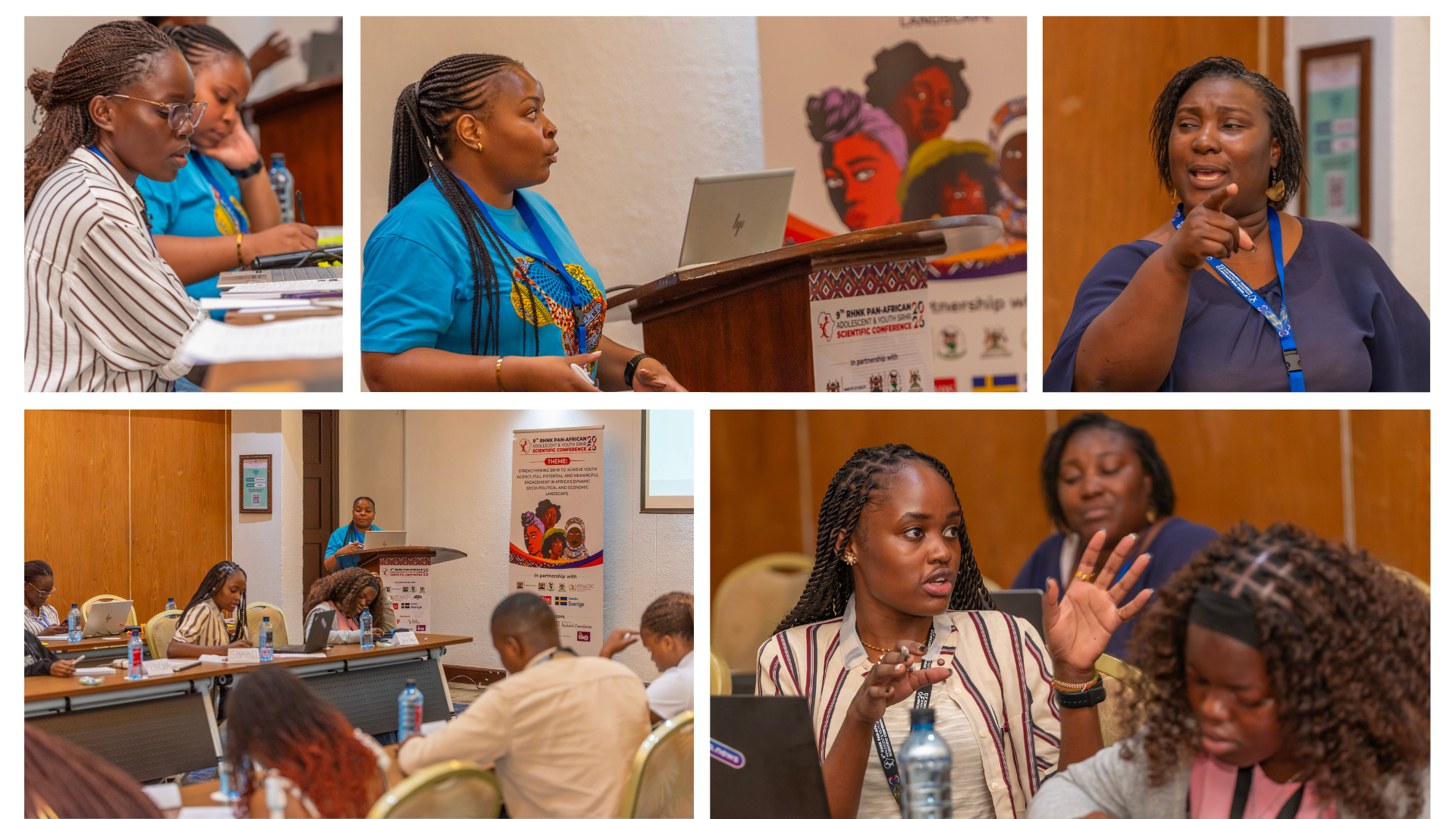
As part of these efforts, and in collaboration with the Reproductive Health Network Kenya (RHNK), AFIDEP convened a two-day training workshop from June 1 to 2, 2026 during the 9th RHNK Conference in Mombasa, Kenya. The workshop brought together young advocates aged 18–24 from the RHNK Fellowship Academy and aimed to strengthen their capacity to effectively translate research into policy-relevant messages for advocacy and influence.
The sessions combined lectures with interactive learning approaches, enabling participants to apply concepts in real-world advocacy and policy contexts. Fellows engaged in group assessments, practical exercises, and individual presentations that fostered active participation and peer learning.
A key component of the training was the practical development of policy briefs, where participants worked in groups to turn research findings into concise, action-oriented recommendations. Fellows were guided through identifying policy problems, synthesising findings, developing key messages, and tailoring recommendations to specific audiences and decision-makers.
The workshop also provided an opportunity for participants to refine their communication and presentation skills ahead of the 9th RHNK Conference. During a dedicated review session, fellows delivered oral and poster presentations and received constructive feedback from facilitators and peers. These sessions focused on improving message clarity, presentation structure, visual design, audience engagement, and confidence in delivery.
For many fellows, the training offered a new perspective on the relationship between research and policy change. As Austin Onidwa, a fellow from Kenya, reflected:
“The most valuable lesson I gained from the AFIDEP training workshop was the power of translating complex research into clear, actionable policy briefs that actually reach and influence decision-makers.”
Austin noted that sessions facilitated by the AFIDEP team, Dr Naa Dodoo, Tabitha Ngwira, and Kerryn Magak emphasised the importance of not only generating knowledge but also sharing it strategically.
“I used to think good research would speak for itself, but the training showed that without strategic framing, knowing your audience, using concise messaging, structuring briefs with clear recommendations, and pairing them with strong oral and poster presentations, your work often stays on the shelf.”
For Austin, the training marked a turning point in how he approaches his work.
“This insight was a game-changer because it directly addresses the gap I’ve seen in my own work between producing research and seeing it drive real change.”
Looking ahead, Austin plans to apply the skills gained by developing policy briefs alongside future research outputs, ensuring findings are translated into actionable recommendations. He also intends to incorporate storytelling, visual communication, and presentation techniques into his conference engagements and stakeholder interactions. In addition, he has committed to strengthening existing documents using the tools and checklists introduced during the training.
His reflections capture the workshop’s broader objective: equipping young advocates with practical skills to bridge the gap between knowledge generation and policy influence, and to contribute meaningfully to processes that advance adolescent and youth SRHR.
As the workshop concluded, participants left with more than new knowledge—they gained practical tools, renewed confidence, and a stronger sense of their role as informed advocates. By strengthening young people’s capacity to communicate insights strategically, AFIDEP and RHNK are helping to cultivate a new generation of leaders capable of shaping policies, influencing decisions, and advancing better ASRHR outcomes across Africa.